
Corey Homer, president of Sussex County Community College (New Jersey), had been thinking about the success of the drone training program at nearby Warren County Community College – considering how his students could benefit from such a pathway, but aware that it would be hard to duplicate.
Homer mentioned the thought to Will Austin, president at Warren, who is credited with building his college’s unmanned aircraft systems program (WarrenUAS), which had become one of the best in the country over its five-year history.
“President Homer suggested that, as community colleges, we should serve our students and the taxpayers by collaborating rather than competing,” Austin said. “We agreed that we could consider each other’s strengths and align our institutions to truly be of service to both communities and the students at both schools.”
The result is a unique collaboration that this fall will allow students from each college to access strong specialized programs at the other campus.
Leveraging strengths
Homer and Austin communicate often about their two campuses, located about 30 miles apart in the rural northwest farmland of New Jersey, about two hours west of New York City. The colleges, both with enrollment under 3,000, have collaborated in other ways, including through seminars on regional topics such as growing the area’s agriculture sector with sophisticated new practices.
“Warren has a nationally recognized drone technology program, while Sussex has established strengths in exercise science,” Homer said. “Rather than duplicating programs, we discussed ways that students could complete their general education requirements closer to home before transferring to the partner college for specialized training.”
The partnership “creates a more affordable and accessible pathway for students while leveraging the strengths of both institutions,” he said.
The collaboration begins this fall, working in the same way a transfer might from a two-year college to a four-year institution, with the student fully enrolled in, and graduating from, the school where they complete the specialization.
“It’s a win-win-win for our colleges, our students and our communities and taxpayers,” Homer said, noting that it improves the schools’ images and heightens the interest in both by expanding their offerings while growing the community perception of the institutions as being creative and expansive but efficient.
Austin noted that the two are considering other ways they could similarly work together to allow students to tap academic offerings or other programs at the two colleges.
“I only see cost savings in a partnership such as this, where both institutions can concentrate on their strengths and, through collaboration, where economies of scale can be used to potentially save each of us money,” he said.
Wider benefits
Under the arrangement, Sussex students interested in pursuing an associate of science degree in unmanned systems can begin their studies at Sussex and transfer to Warren for one more year to complete the core coursework in drone technology. Likewise, Warren students pursuing an associate of science degree in exercise science can complete their general education requirements at Warren before transferring to Sussex to complete the specialized exercise science portion of the program.
Marianne Van Deursen, provost/vice president of academics at Warren, noted that the collaborative arrangement has a number of benefits, including to taxpayers.
“At a time when many students and families are questioning the affordability and value of higher education, the two schools are demonstrating how community colleges can work together to expand access, reduce costs, and create innovative educational pathways that directly serve regional workforce needs,” she said.
Van Deursen added that the arrangement benefits taxpayers by allowing more students to pursue specialized academic pathways within the regional community college network rather than requiring out-of-county chargeback arrangements if they enroll in institutions outside the immediate service area. That can mean additional county chargeback expenditures.
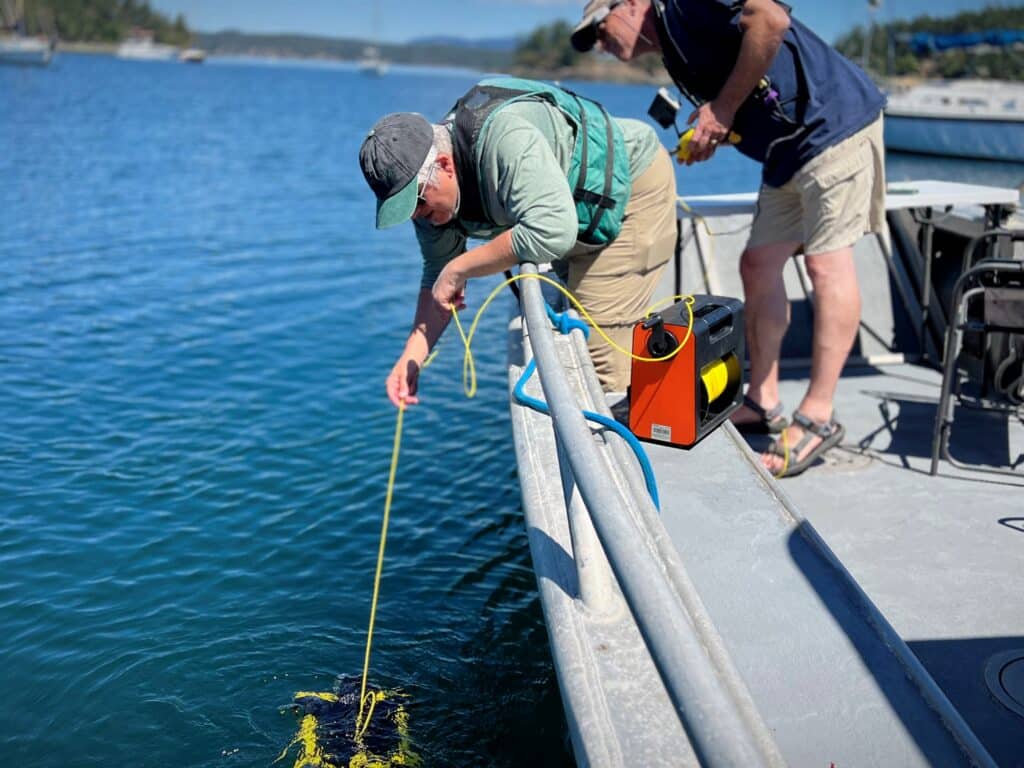
Unmanned systems technology is one of the fastest-growing career fields, supporting industries such as infrastructure inspection, agriculture, construction, environmental sciences, public safety, energy, cinematography, and search and rescue. Students in the program gain access to a fleet of more than 80 unmanned systems at Warren throughout their training, housed in two cutting-edge facilities.
Meanwhile, Warren’s Academic Affairs Division has experienced growing student interest in exercise science and related health and wellness career pathways, which the college couldn’t always address, Van Deursen said.
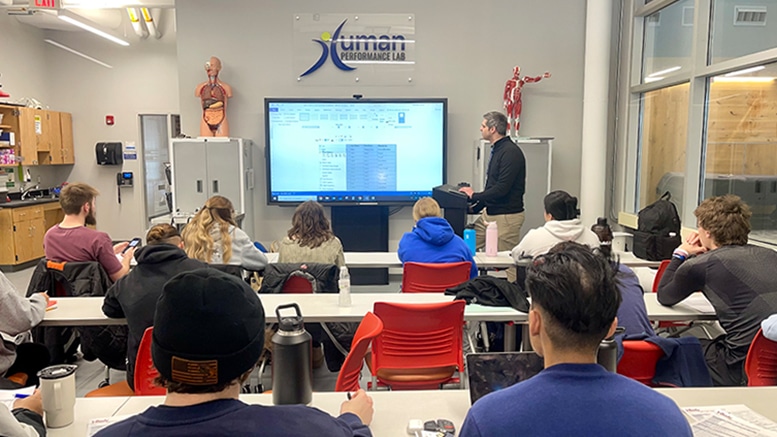
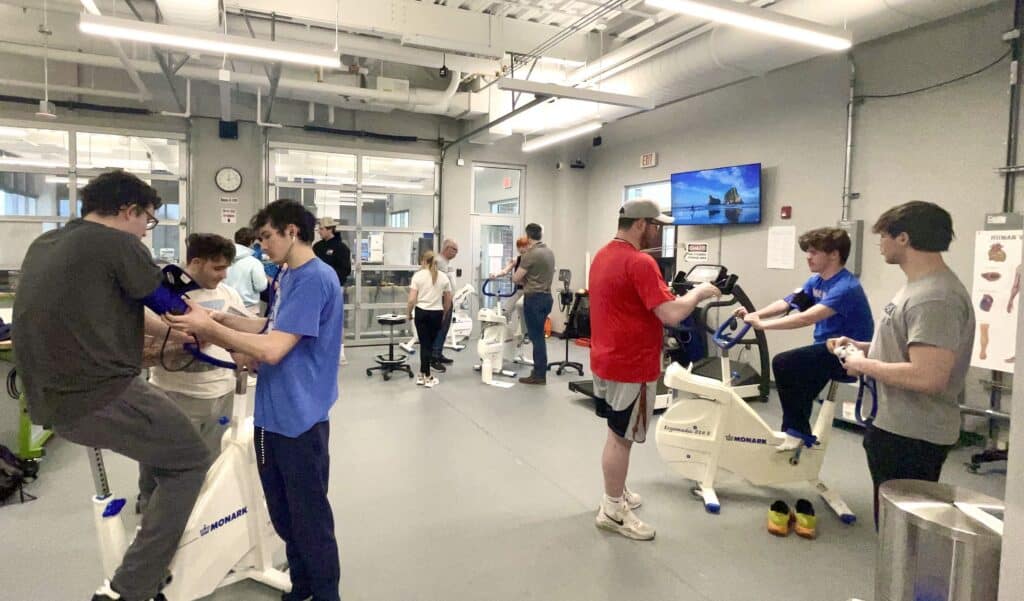
At Sussex, exercise science students benefit from modern instructional spaces and hands-on learning opportunities within the college’s Human Performance Lab, which features advanced fitness assessment labs, rehabilitation equipment and functional training areas. The facility prepares students for careers in health, fitness, wellness and related fields. With a foundation in exercise science, graduates can pursue careers in personal training, athletic coaching, physical therapy, sports medicine, and other health-related professions or transfer to a four-year institution, Homer said.
