A new study sheds light on the long-term benefits of wraparound student supports on students’ employment and earnings.
The University of Chicago Inclusive Economy Lab examined how City Colleges of Chicago students who participated in services provided through the student success nonprofit One Million Degrees (OMD) were doing seven and eight years after using those services. Among the findings:
- $14,246 increase in average annual earnings by year seven ($33,664 compared to $19,418 in a control group of peers)
- 21% increase in stable employment seven years later
- 16% increase in earning any degree within eight years
The program had a bigger impact on students who applied to the program before they enrolled in community college:
- 48% higher likelihood of earning an associate degree among students who applied to the program while in high school
- Participants who were in high school were 90% more likely to be enrolled or working full-time
- They were 83% more likely to be working in a stable job compared to their peers
“Scaling evidence-based practices has long been one of the hardest challenges in higher education,” Kelly Hallberg, scientific director for the Inclusive Economy Lab, said in a release. “This is the first time we’ve been able to rigorously track the program’s long-term effects on employment and earnings, and the data show sustained improvements in job stability and income. These findings provide rare scientific evidence that comprehensive student support can translate into measurable economic and labor market gains — even years after college entry.”
OMD and City Colleges of Chicago have partnered for more than two decades on offering support services to students, such as academic coaching, financial assistance and career guidance. An initial study in 2021 showed the assistance yielded increases in full-time enrollment, first-year persistence and associate-degree completion. The latest findings extend that research to workforce outcomes.
Education advocates note that such extra support is a game-changer for community college students, many of whom are first in their families to go to college, are parents or hold GEDs. The services help them navigate through complex transfer processes, transportation needs, basic needs and other barriers that can derail higher education goals.
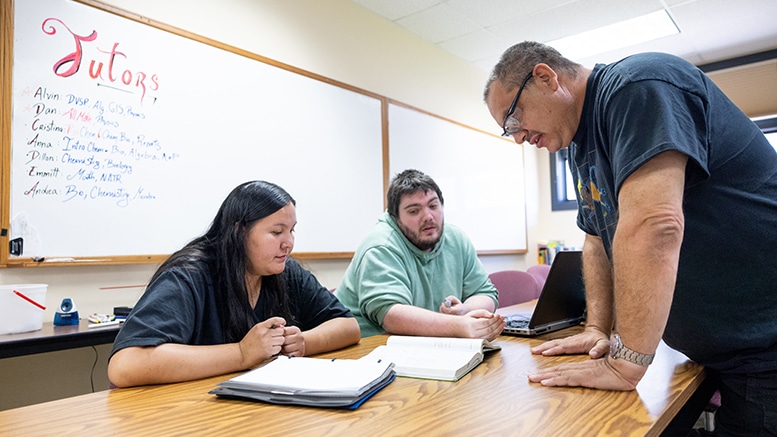
OMD provides student supports in four areas: financial, academic, professional and personal. For example, it offers performance-based stipends up to $1,000 annually, emergency grants and last-dollar scholarships. It also pairs students with tutors and mentors. A program coordinator on each campus assists students when challenges arise and helps to keep them on track.