
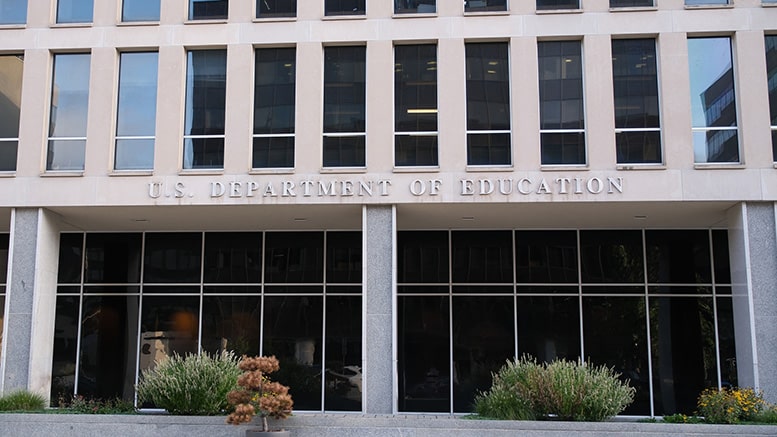
The Trump administration has issued a Notice of Proposed Rulemaking (NPRM) on accreditation that will be published in the Federal Register on August 20.
The regulations, which will likely go into effect next July 1, would implement the draft regulations that received consensus in the negotiated rulemaking process that concluded on May 21. Public comments are due by September 21.
If adopted in a similar form to what’s proposed, which is a given, the accreditation regulations could profoundly impact higher education. While another administration could alter these regulations, the new level of federal engagement in higher education reflected in these rules will likely remain, even though certain emphasis and policies advanced by President Donald Trump could change. Both Democratic and Republican administrations, as well as federal legislators from both parties, have looked to accreditation as a means of exerting greater control over the academy.
In its executive summary of the proposed rule, the administration states that, although recognized accreditors are formally charged by the Higher Education Act with being “reliable authorities regarding the quality of education or training offered by the institutions or programs they accredit … many are failing to do so and recognize institutions and programs that fail some of the most important indicia of quality and returns on investment.”
The rule also states that “Americans’ trust and confidence in the U.S. higher education system has declined significantly over the last decade.” It adds that, “to ensure that accrediting agencies are taking their responsibilities as quality indicators seriously, the Department is proposing a comprehensive modernization of the regulations for recognition of accrediting agencies, one that focuses on student achievement and providing a high-quality education.”
Allowing new accrediting agencies to obtain approval from the Education Department (ED) more easily, and allowing institutions to change accreditors more easily, is a prominent theme of the NPRM. ED maintains that this will lead to a more dynamic accreditation process.
Even given this ambition, in seeking comments on the rule’s impact, the rule states that “the Department recognizes that there is limited data available to estimate the proposed regulation’s potential impact on accrediting agencies, institutions of higher education, and students.”
Of obvious and intense interest to community colleges are the NPRM’s provisions addressing transfer of credit. The proposed, detailed revisions could have a profound impact on the acceptance of transfer credits, in favor of students attending another institution — a boon to the community college sector and the students it serves.
Under the proposed rule, while institutions and programs would have the latitude to deny a transfer of credit based on the credit failing to meet the institution’s standards, schools would have to provide a written reason for the denial.
The American Association of Community Colleges (AACC), which will submit comments on behalf of the sector, has previously provided accounts of the accreditation rulemaking that provide some context for the likely shape of AACC’s input. Other than transfer of credit, AACC will likely address several issues, including:
- New requirements related to documenting program and institutional outcomes
- Faculty review by institutions
- Academic freedom and ideological diversity
- Required cost/benefit analyses of institutional expenditures
- First Amendment and the role of accreditors
AACC members can register for next Wednesday’s webinar that will cover this and a variety of other issues, including Education Secretary Linda McMahon’s “Call to Action,” ED reporting requirements, FY 2027 appropriations and higher education legislation.