
The Accountability in Higher Education and Access through Demand-driven Workforce Pell (AHEAD) negotiated-rulemaking committee on Friday reached consensus on draft regulations that would implement a new accountability structure for nearly all Title IV-eligible programs. The vote defied the expectations of many observers who saw little hope for that result earlier in the week.
Because the committee reached consensus, the Education Department (ED) must use the panel’s version of the draft regulations when it issues a Notice of Proposed Rulemaking to the public, which is expected within a few months.
Nearly all the committee members voted with a “thumbs up,” meaning they approved of the regulations. One committee member, acting on behalf of legal assistance providers that represent student borrowers, voted neither in favor nor against the regulations, upholding consensus.
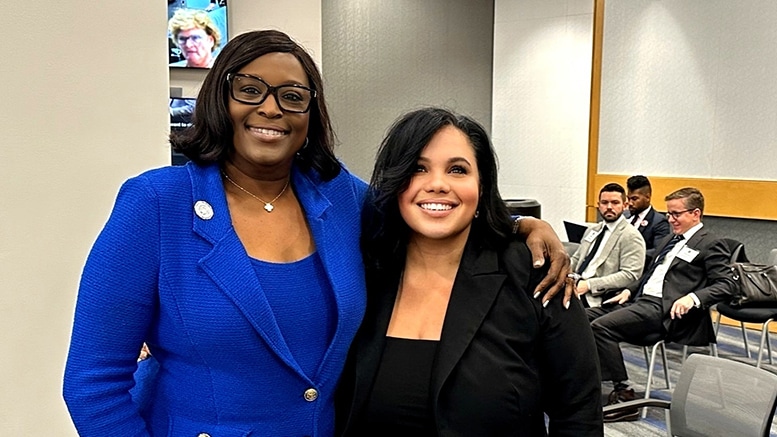
Tonjua Williams, president of St. Petersburg College (Florida), who served as an alternate negotiator for public institutions of higher education, represented community colleges.
Moving past sticking points
As reported in the Community College Daily last week, the regulations would not only implement the new accountability framework enacted earlier this year in the One, Big, Beautiful Bill Act but also modify existing Gainful Employment (GE)/Financial Value Transparency regulations to align with the new accountability metrics. As a result, all GE and eligible non-GE programs will be measured based on whether the median earnings of prior program completers equal or exceed median earnings of high school graduates. A significant result of this “harmonization” between the two accountability frameworks is that, for the most part, programs that fail the earnings premium measure would only lose eligibility for the Direct Loan program, rather than all of Title IV (including Pell grants).

Limiting the consequence of failure to Direct Loan eligibility for certificate programs as well as degree programs was a sticking point throughout the week, possibly threatening the committee’s ability to reach consensus. In the end, provisions were added that would strip Title IV eligibility from all failing programs at an institution under extreme circumstances that do not appear to include any community colleges. This and other, smaller changes proved enough to achieve consensus.
The committee agreed to other changes and tweaks that, among other things, would add a “teach out” process available to programs after the first year of failing the earnings premium metric. (Loan ineligibility generally kicks in after a program fails the metric in two out of three consecutive years). The regulations also added back some minor reporting requirements that were removed in ED’s initial draft.
The American Association of Community Colleges will post more details on the regulations this week. It also will hold a members-only webinar on the topic on January 14.